Rosemary Oil vs. Minoxidil: The Science of Regrowth
In the world of hair loss, few natural ingredients hold up against pharmaceutical giants. Rosemary oil is the exception.
A landmark randomized comparative trial published in SKINmed (2015) tested Rosemary Oil against Minoxidil 2% on patients with androgenetic alopecia. The result? Both groups saw equivalent hair count increases after 6 months, but the Rosemary group experienced significantly less scalp itching and irritation.
However, dumping essential oil directly onto your head causes chemical burns, not growth. Here is the scientifically accurate protocol to replicate those clinical results safely.
The Mechanism: How It Works
Rosemary oil (specifically the chemotype cineole) functions through two primary pathways:
- Vasodilation: It acts similarly to Minoxidil by widening the blood vessels around the follicle, delivering more oxygen and nutrients to the hair bulb.
- DHT Inhibition: Research suggests ursolic acid (found in rosemary) helps inhibit 5-alpha-reductase, the enzyme that converts testosterone to DHT—the molecule responsible for shrinking hair follicles.
The Clinical Growth Elixir Recipe
To match the concentration used in clinical studies, you need a precise dilution ratio of 2% to 3%. Anything less is ineffective; anything more is toxic to the skin barrier.
Ingredients
- 28ml (approx. 2 tbsp) Pumpkin Seed Oil (Carrier)
- 6 drops Peppermint Essential Oil
Equipment
- One 30ml Amber Glass Dropper Bottle (protects oil from UV degradation).
Preparation Protocol
- Base: Pour the 28ml of Pumpkin Seed Oil into the amber bottle.
- Actives: Add the 12 drops of Rosemary and 6 drops of Peppermint.
- Fusion: Close the bottle and roll it between your palms for 30 seconds to mix. Do not shake vigorously (this introduces oxygen/oxidation).
- Storage: Store in a cool, dark drawer. Shelf life is 6 months.
The "Inversion" Application Method
Applying the oil is only 50% of the work. Mechanical stimulation is the other 50%.
- Frequency: Perform this routine 3 times per week, ideally before bed.
- Dose: Fill the dropper halfway (approx 1ml).
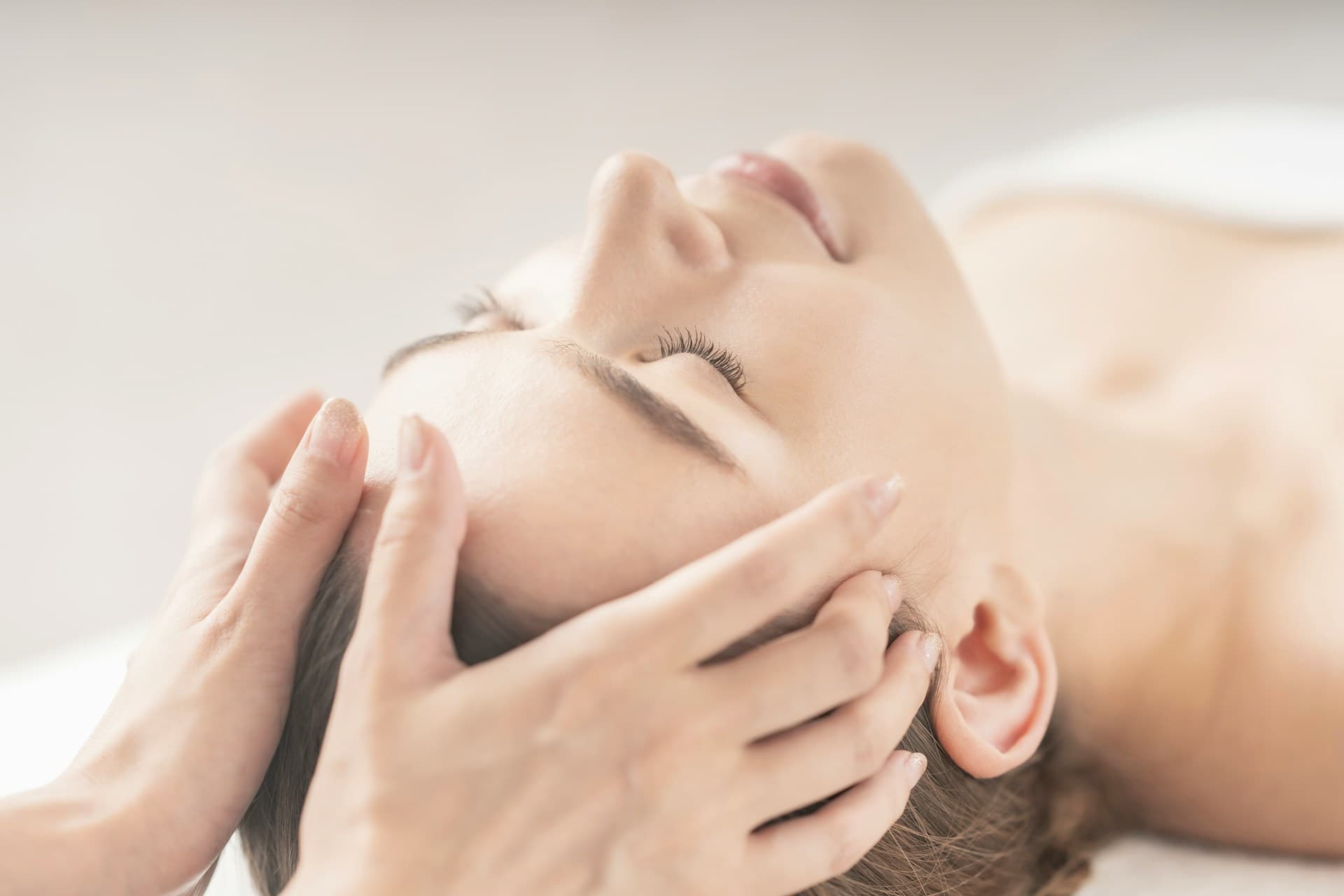
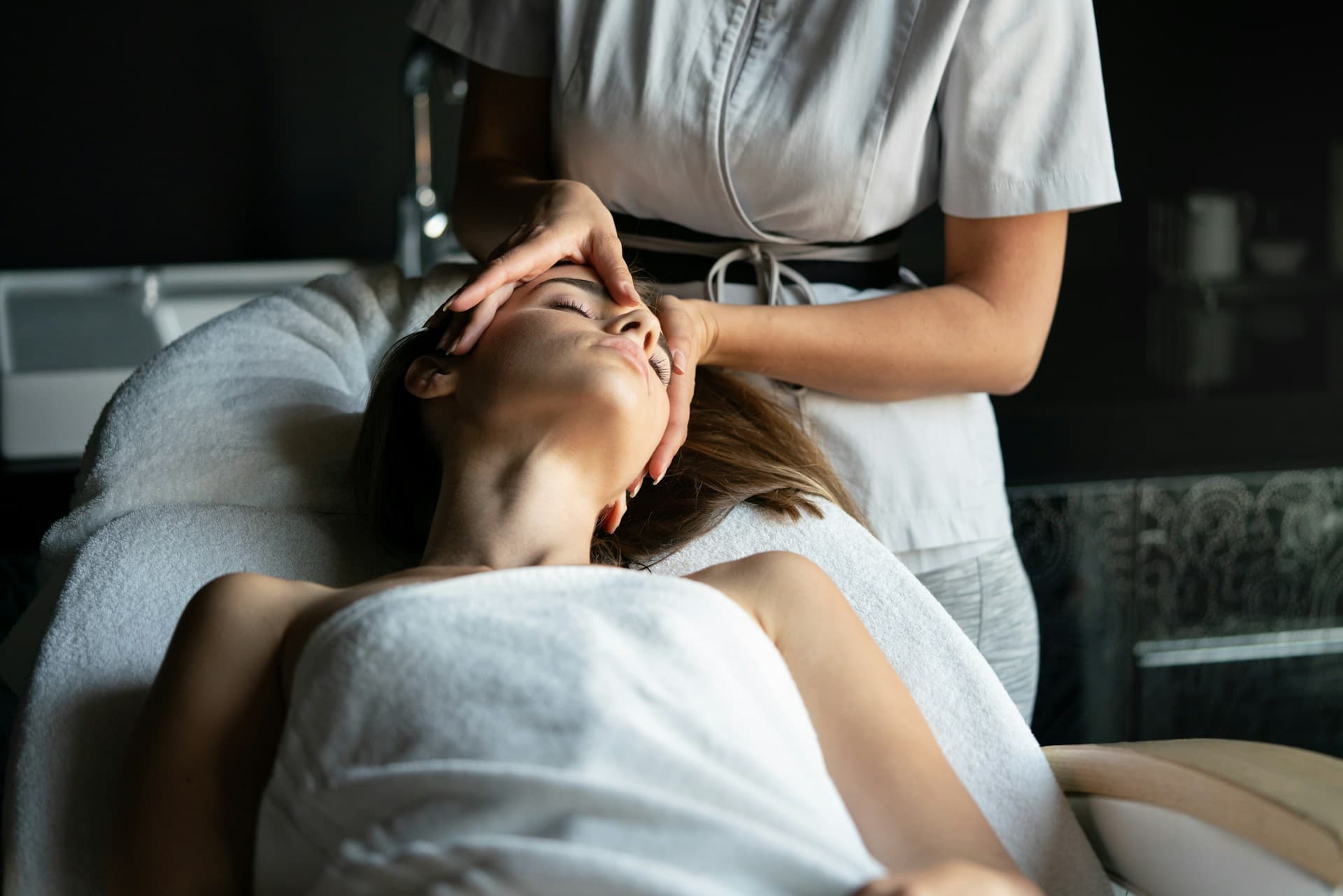
- Application: Part your hair in 4 sections. Apply drops directly to the scalp, focusing on the recession areas and crown.
- The Massage (Crucial):
The Timeline: Managing Expectations
Hair growth is a slow biological process. The 2015 study noted that at 3 months, there was little visible difference. The significant spike in hair count happened at the 6-month mark.
- Months 1-2: Reduced shedding, healthier scalp environment.
- Months 3-4: Baby hairs (vellus hairs) may appear at the hairline.
- Months 6+: Terminal hair thickening and density increase.
Do not stop early. Hair cycles require consistency.
---
Is your routine working? Use the Hairelya App to take monthly progress photos and track your consistency streak. We calculate your estimated results date based on your adherence.
---
References
- Panahi Y, et al. (2015). "Rosemary oil vs minoxidil 2% for the treatment of androgenetic alopecia: a randomized comparative trial." SKINmed.
- Oh JY, et al. (2014). "Peppermint Oil Promotes Hair Growth without Toxic Signs." Toxicological Research.
- Cho, Y.H., et al. (2014). "Effect of Pumpkin Seed Oil on Hair Growth in Men with Androgenetic Alopecia." Evidence-Based Complementary and Alternative Medicine.